When Climate Heats Up, Women Carry the Cost: Why Kenya Must Put Women’s Health at the Center of Climate Action
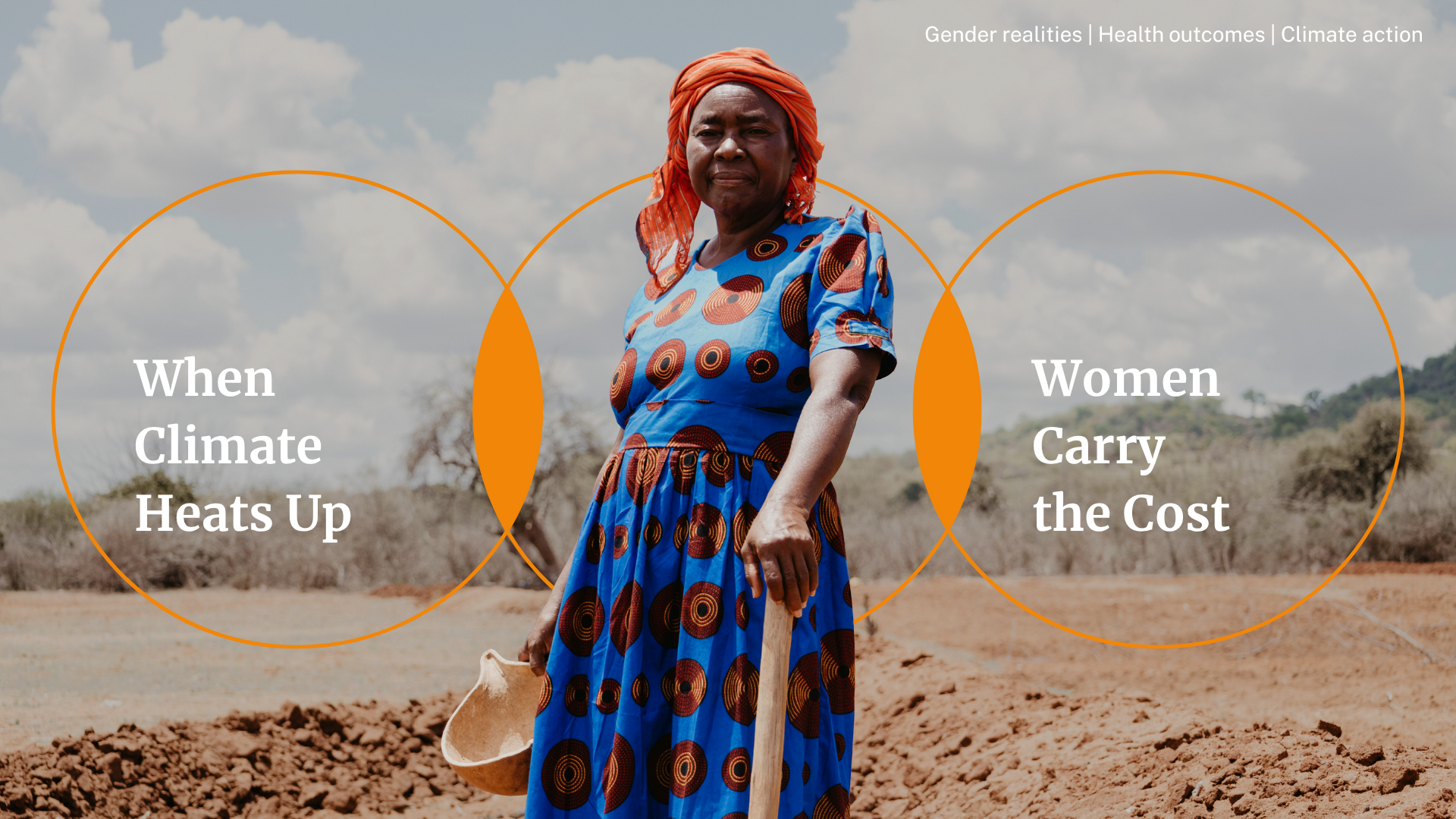
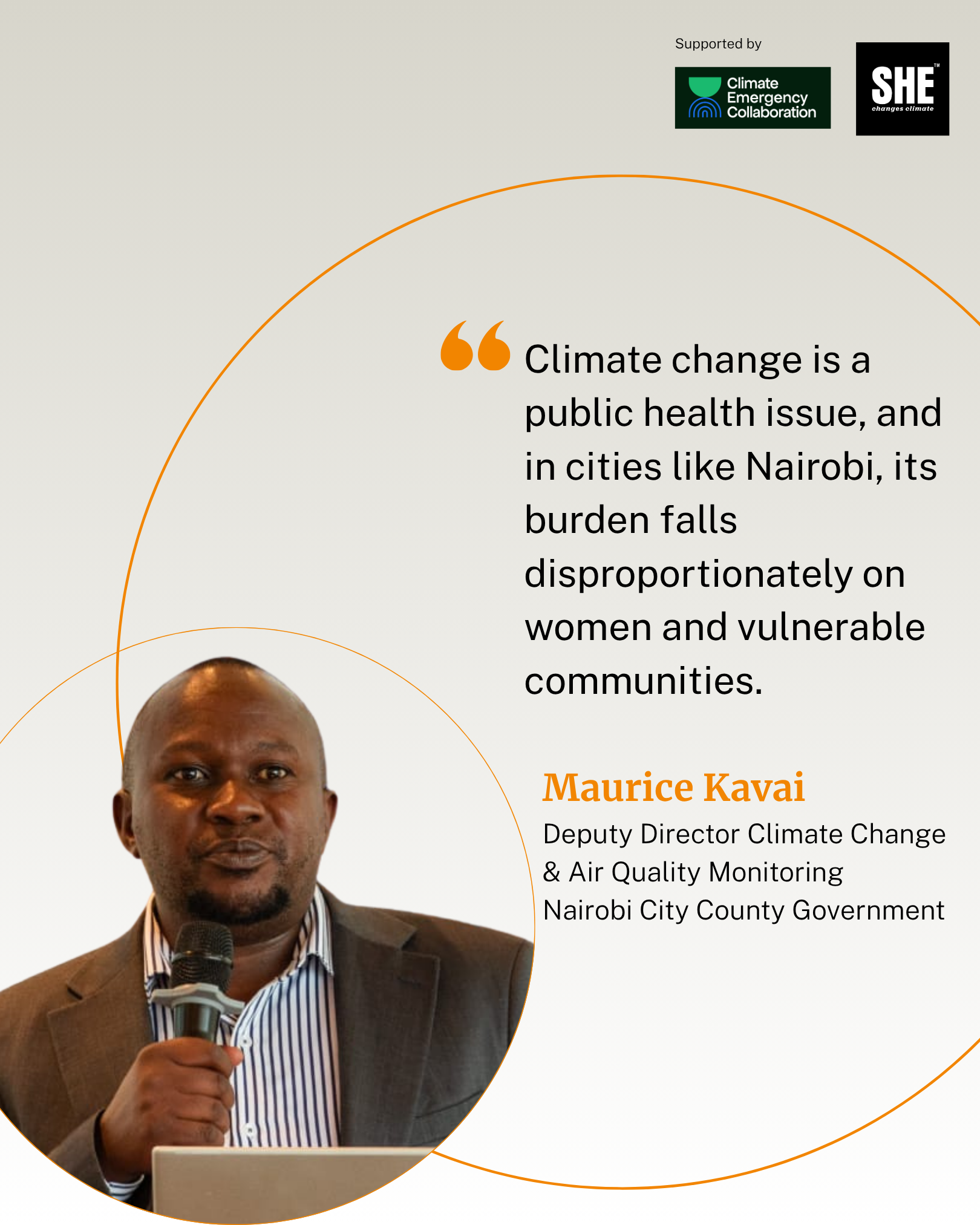
As climate impacts accelerate, the health toll on women in Kenya is no longer an emerging concern—it is an unfolding reality. From dangerous heat exposure to deepening food insecurity, from unpaid care burdens to sustaining frontline community response, women are already absorbing the shocks of a warming world.
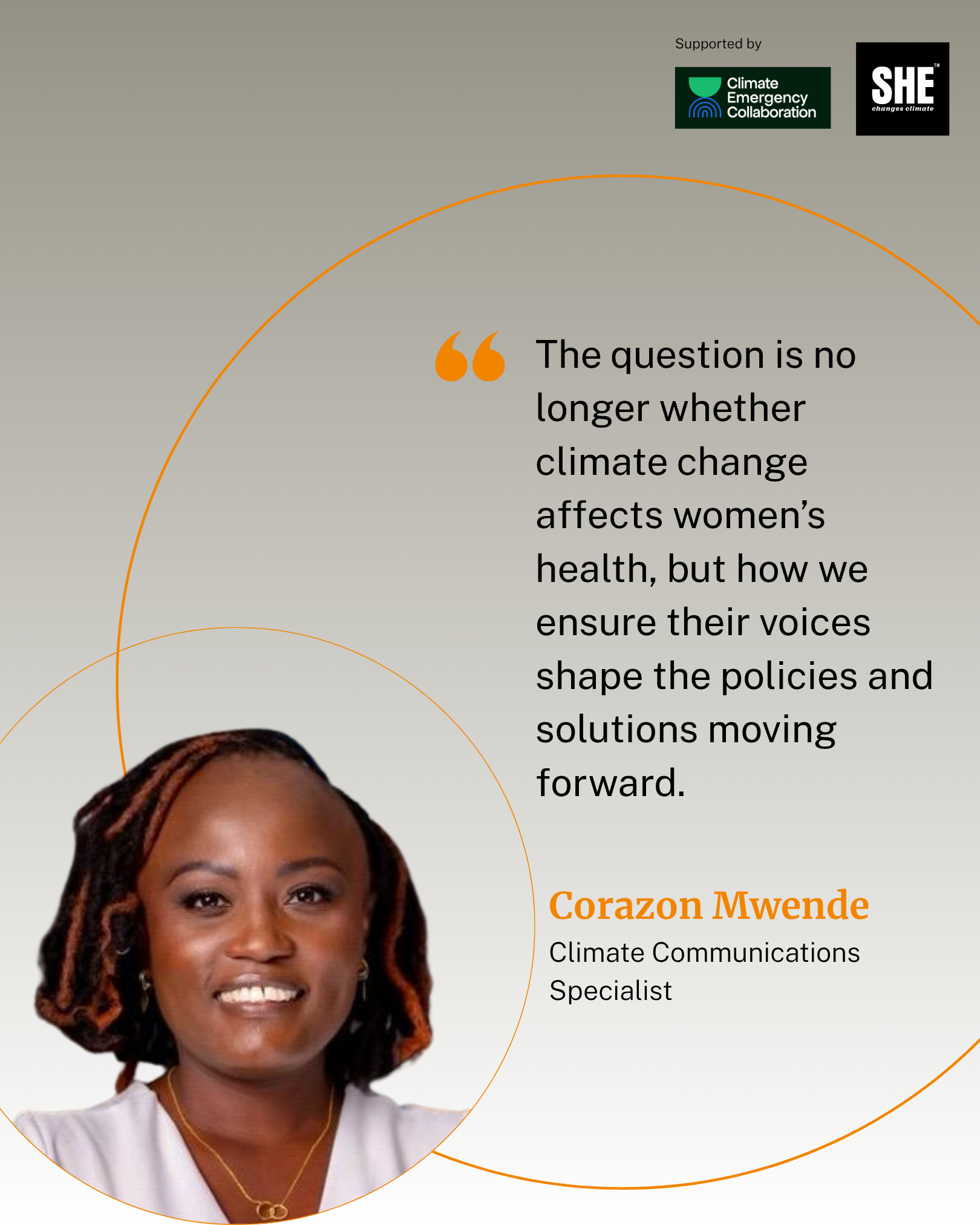
The question is no longer whether climate change is a gendered health issue. It is whether climate policy will finally respond accordingly.
Climate change is a daily health emergency for women—felt in homes, farms, and clinics
Climate conversations often focus on emissions pathways, global targets, or negotiation outcomes. But for millions of women, climate change is lived far more intimately:
in the rising heat endured during pregnancy,
in the longer hours spent securing food and water,
in the stress of caring for families through droughts and floods,
and in health systems struggling to cope with overlapping crises.
However, the country has made progressive strides in integrating gender into climate governance, including its nationally determined contributions (NDCs). Yet a familiar pattern persists: ambitious commitments at national level are not translating into the lived improvements women need at county and community level.
This gap was the focus of SHE Changes Climate’s recent roundtable and latest policy brief on strengthening gender‑responsive health integration within Kenya’s climate commitments. The brief identifies three interconnected pathways where the climate crisis intersects with women’s health: extreme heat, disrupted food systems, and strained health and care systems.
Heat exposure makes the injustice visible
Rising temperatures are not only a physiological risk—they expose the structural inequalities that determine who suffers most. Women in Kenya experience greater heat exposure because caregiving, household labour, and informal work do not pause when temperatures rise.
Kenyan women spend around five hours per day on unpaid care and domestic work—approximately five times more than men, including tasks such as collecting water and fuel. In drought-affected regions, women may spend three to five hours each day collecting water, often travelling long distances under extreme heat.
Evidence highlighted in the brief shows the consequences clearly: heat exposure during pregnancy increases risks of preterm birth and stillbirth, while the broader psychosocial and physical burden grows as unpaid care work spikes during climate shocks.
Heat is more than a temperature problem. It is a justice problem.
Food insecurity hits women first, and hardest
Women make up around 34–35% of the agricultural workforce in Kenya and form the backbone of the country’s food systems—driving agricultural production, safeguarding household nutrition, and sustaining community resilience. Yet they remain constrained by limited access to land, finance, extension services, and climate information.
When drought or floods disrupt food production, the impact is not just economic. It is visible in malnutrition, maternal health risks, stress, and overall well-being. In Kenya’s arid and semi-arid regions, around 135,000 pregnant and breastfeeding women are acutely malnourished.
Climate‑smart agriculture must therefore be understood not only as a productivity strategy but as a health intervention, especially for women and children in climate‑vulnerable communities.
Women are holding communities together—but remain underfunded and overlooked
Across Kenya, community health volunteers—most of them women—keep essential care going when health facilities become difficult to access. Women-led groups and informal networks are also providing health information, supporting outreach, and leading crisis response.
These are not peripheral actors.
They are the frontline of climate adaptation in practice.
Yet they remain underfunded, under-recognised, and routinely excluded from formal climate planning and access to climate finance.
Roundtable discussion
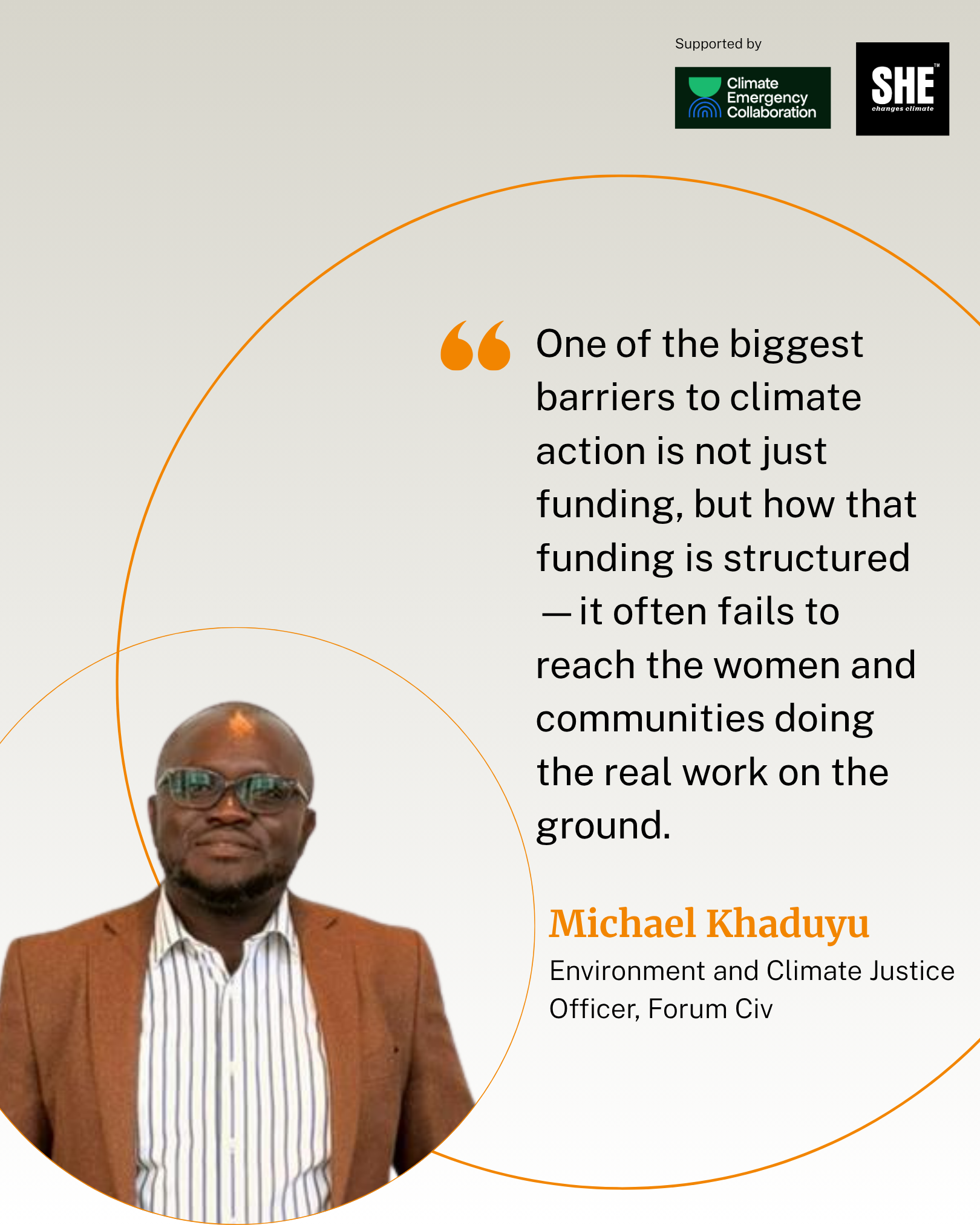
During the roundtable discussion in March ‘26, panellists and participants from government and civil society repeatedly pointed to systemic barriers: weak coordination across climate, gender, and health sectors; limited gender‑disaggregated data; information systems that do not reach rural communities; and financing architectures that bypass the local women-led actors doing the real work.
The challenge is not a lack of evidence. It is a lack of systems that treat women’s realities as central, not optional.
Kenya can lead—if it chooses to bring climate, gender, and health together
Kenya now has an opportunity to demonstrate what integrated climate leadership looks like. That means:
embedding gender‑responsive climate‑health indicators into NDC implementation;
investing in heat-health early warning systems tailored for pregnant women, unpaid caregivers, and outdoor workers;
linking climate‑smart agriculture to nutrition and maternal health outcomes;
strengthening support for community health volunteers and women‑led organisations as core components of national adaptation planning;
and ensuring climate finance flows to county and community levels, where climate impacts are lived—and where resilience is built.
Representation is non-negotiable
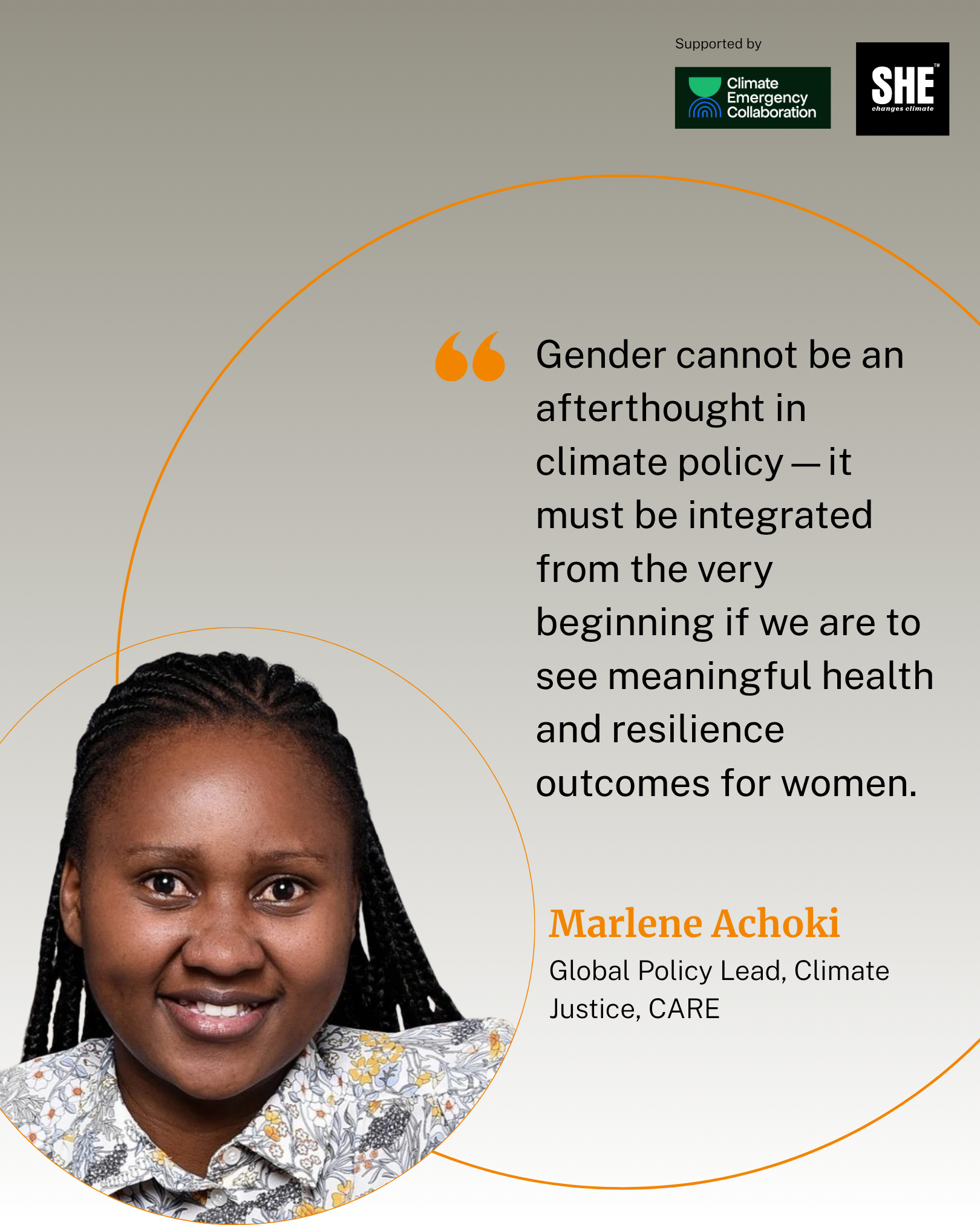
Policy integration alone will not deliver change without leadership that reflects the communities most affected. Women must be present not only as beneficiaries of climate action, but as decision‑makers shaping it. Their lived experience and expertise are essential for building accountability, resilience, and policies that actually protect health.
This is the principle at the heart of SHE Changes Climate’s 50/50 campaign: equal participation, equitable investment, and equal power in climate decision-making.
Ahead of COP31, Kenya can lead by example
Not through rhetoric, but through measurable action that puts women’s health at the centre of climate ambition. If climate policy is truly about protecting lives, then women’s health cannot remain at the margins. Women’s experiences and expertise are critical because they face climate impacts directly, from extreme heat and drought to food insecurity and increased care burdens, and they know what interventions work at the community level. Kenya must actively involve these women leaders and ensure they are represented in national and global platforms, decision-making processes, and policy design, so that solutions are grounded in real-world experience and respond to the needs of those most affected.
COP31 presents a unique opportunity for Kenya to demonstrate real leadership. By showcasing women-led and community-based climate and health initiatives, the country can provide practical examples of how to implement gender-responsive, health-centred NDCs that deliver tangible results. Ensuring that women’s voices and health remain central will not only improve climate outcomes but also strengthen resilience, equity, and sustainable development.
Women’s health cannot stay at the margins — Kenya can lead by showing how it belongs at the center of climate action.
*References:
Food and Agriculture Organization; World Bank; United Nations Office for the Coordination of Humanitarian Affairs; Government of Kenya drought assessments; International Monetary Fund; UN Women; UNICEF; Kenya Nutrition Sector.
Insights from the roundtable discussion